
Beethoven's Fifth Symphony: four notes that changed everything
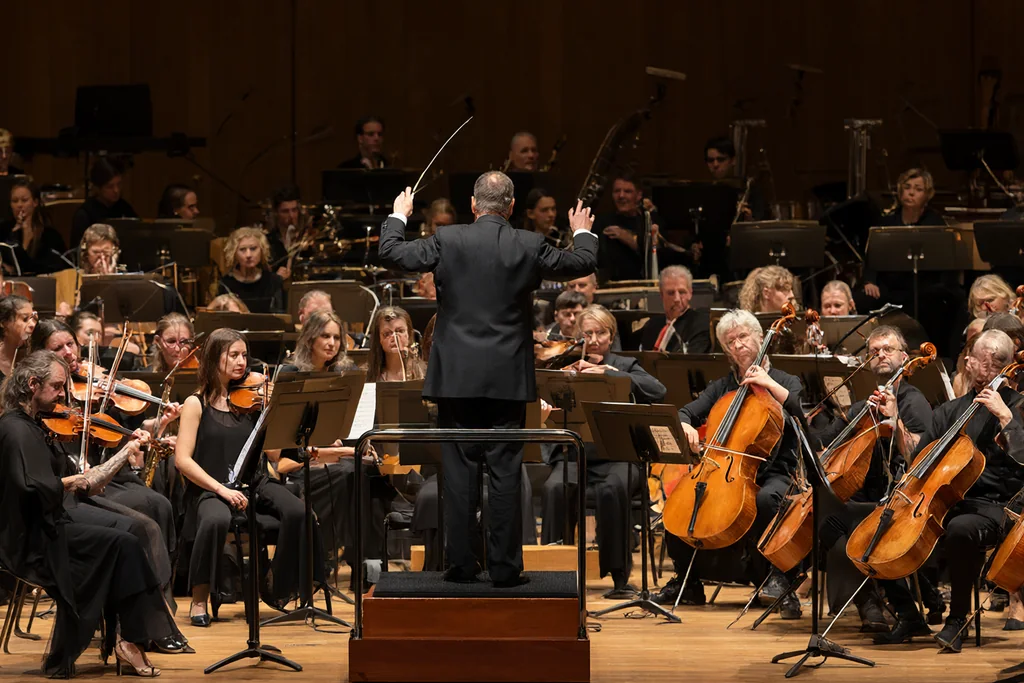
Few openings in music are better known than the first bars of Beethoven's Fifth Symphony, and few are more misunderstood. The famous pattern is not a melody but a rhythm: four notes, the last one held, repeated at a different pitch. Everything that follows grows from that small figure, and hearing how it does so turns a familiar tune into a lesson in how a large work can be organised.
A symphony of the period normally has four movements, and this one does. What is unusual is the strength of the thread running between them, and the way a short rhythmic idea is treated as raw material rather than as a theme to be repeated.
The opening idea and what it is not
The first statement is often described as fate knocking at the door. The phrase is a later anecdote and says nothing about how the music works. Compositionally, the opening is a cell: a rhythmic shape with almost no melodic content. Its power comes from repetition and from the silence that follows it.
Because the cell is so small, it can be transformed. It can shrink, stretch, move to the bass, appear in the horns, or hide inside an accompaniment figure without announcing itself.
Movement by movement
The first movement establishes the cell and then subjects it to constant pressure, building to a restatement that feels earned rather than repeated. The second movement is a set of variations on two related ideas, calmer in character. The third returns to the rhythmic world of the opening in the form of a scherzo, and famously moves without a break into the finale. That unbroken link is one of the work's structural signatures.
The finale resolves the tension with a shift to a bright key and the addition of instruments that have been silent until then. The effect depends on the listener having waited.
How to follow it by ear
- Learn the four-note rhythm and then try to spot it in unexpected places.
- Notice the moment the third movement runs into the fourth without stopping.
- Listen for the entry of new instruments at the start of the finale.
- Track how often the music returns to the opening idea rather than moving on.
Nothing here requires reading a score. The structure is exposed clearly enough for the ear to follow, which is part of why the work has never left the repertoire.
The Fifth in outline
| Part | Character | What to listen for |
|---|---|---|
| First movement | Driving, tightly argued | The four-note cell in many guises |
| Second movement | Calm, lyrical | Two ideas varied in turn |
| Third movement | Dark, rhythmic | A quiet passage that refuses to end |
| Finale | Bright, triumphant | New instruments joining the texture |
| Link between three and four | Suspense | The music never stopping for applause |
Why the size of the orchestra matters
Compared with the huge Romantic orchestra that came later, the forces here are moderate. That restraint is deliberate: the contrast at the start of the finale works because the earlier movements did not use every available colour. Orchestration in this work is a matter of withholding as much as of adding.
When listening to a performance, notice whether the conductor treats the third movement as a pause or as part of a continuous build. The score's instruction to continue without a break makes the second reading more faithful to the structure.
A note on tempo
The marking at the head of the first movement is a fast two-in-a-bar, and the difference between a genuinely fast reading and a merely loud one is the single biggest variable in the work's impact. Disagreement about tempo has followed the symphony for as long as it has been performed, which is itself a sign of how precisely the marking is written.
Where to go next
After the finale, return to the opening bars. The same four notes that once seemed like a slogan now sound like a promise the rest of the work had to keep.
Read next
Vivaldi's Four Seasons: music as description
What a concerto can do when it sets out to paint weather, birds and seasons.
Mozart's Requiem: a mass left unfinished
A funeral mass completed by others, and what that means for how we hear it.
Tchaikovsky's Nutcracker: from stage work to concert suite
Why a ballet score became one of the most familiar orchestral suites.