
Sonata form: exposition, development, recapitulation
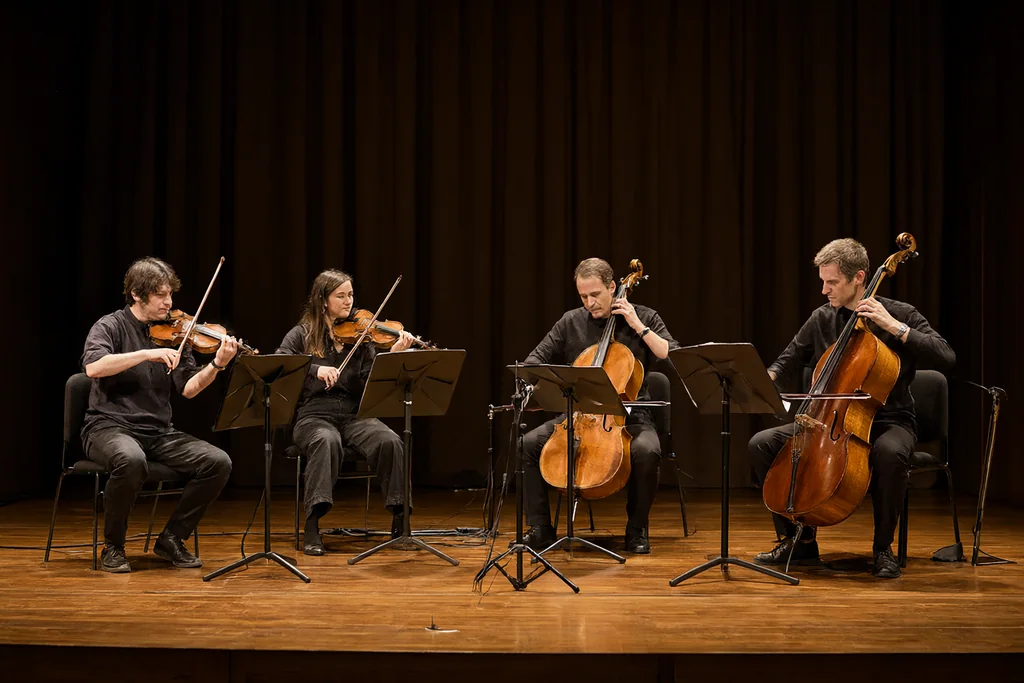
Sonata form is the most important large-scale shape in the classical tradition, and its name is misleading. It is not a fixed mould that every piece must fit; it is a way of organising a long movement around contrast and return. Countless first movements, and many others, are built on it, and hearing the shape makes those movements far easier to follow.
The shape has three broad stages. Music is presented, taken apart, and brought back. The familiarity of the scheme is what allows composers to make the departures interesting.
Exposition: presenting the material
The opening stage establishes the home key and typically presents two contrasting ideas. The first is often assertive or rhythmic, the second more lyrical, and they are usually set in different keys. By the end of the exposition the listener has met the main material and felt a tension between the two ideas and their keys.
In many performances the exposition is repeated, which is not a formality: the repeat gives the listener a second chance to learn the material before it is transformed.
Development: taking it apart
The middle stage is where the music moves away from home. The ideas from the exposition are broken into fragments, combined, set in new keys and passed between instruments. Stability is deliberately lost, and the section may end with a passage of tension that seems to be preparing something.
Development sections are the hardest part of a movement for new listeners, precisely because nothing is settled. The remedy is to stop waiting for the melody and listen instead for fragments of ideas you already know.
Recapitulation: bringing it home
- The opening idea returns in the home key.
- The second idea returns as well, this time in the home key.
- The tension between the two keys is resolved.
- A closing passage confirms the arrival.
- Some movements add a coda that extends the ending.
The essential point is harmonic. In the exposition the two ideas sat in different keys; in the recapitulation they sit in the same one, and the conflict is settled.
Sonata form at a glance
| Stage | What happens | What to listen for |
|---|---|---|
| Exposition | Two ideas introduced | A contrast of character and key |
| Repeat | The opening stage heard again | The same material, now familiar |
| Development | Ideas fragmented and moved | Fragments in unfamiliar keys |
| Recapitulation | Both ideas return home | The conflict resolved |
| Coda | Extended close | A final confirmation of the key |
Why the shape survived so long
Sonata form solves a practical problem: how to write several minutes of music that feels purposeful rather than repetitive. Presenting contrasting material creates interest; taking it apart creates tension; bringing it back creates satisfaction. The scheme is flexible enough to accommodate very different styles, which is why it remained useful for well over a century.
Many movements deviate from the plan, and the deviation is often the most interesting thing about them. A development that begins unexpectedly, a recapitulation that returns in the wrong key, or a coda that refuses to close are all ways of using the listener's expectations against them.
The names of the stages are a convenience
Composers of the period did not label sections as exposition and development, and listeners do not need the labels to enjoy a movement. What the terms provide is a shared way of talking about a shape that is genuinely there in the music, and a set of expectations that make the departures legible.
Used carelessly the scheme becomes a checklist, and a movement that fails the checklist is dismissed as defective. The better habit is to treat the shape as a default and to notice, with interest, every place a work decides otherwise.
Where to go next
Choose a first movement and listen for the moment the music stops feeling settled. That is usually the start of the development, and everything after it is the journey home.
Read next
Keys and scales: the map behind the notes
Major and minor, tonality and why a key is a home rather than a limit.
Rhythm and metre: pulse, beat and bar
How a steady pulse turns into metre, and how syncopation plays against it.
Harmony basics: chords, cadences and tension
How chords support a melody and how a cadence tells you a phrase has closed.