
Tchaikovsky: melody, ballet and orchestra colour
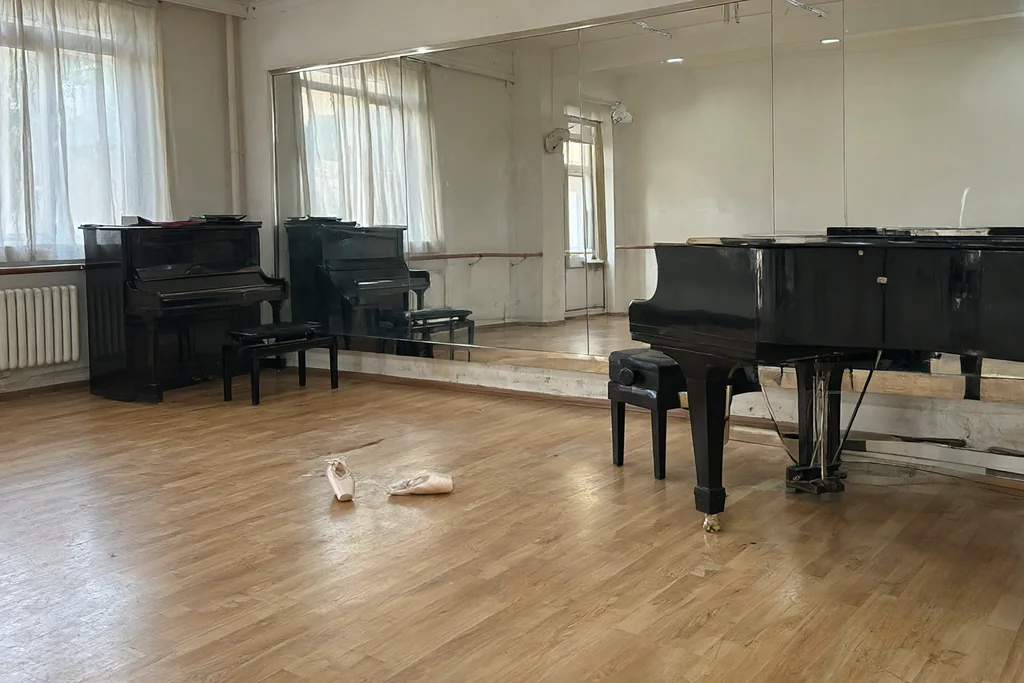
Tchaikovsky's gift was melodic: his tunes are shaped so naturally that a listener can hum them after one hearing. But the tunes are only half of the story. The other half is the orchestra, which he treated as a palette able to shift the same melody between warmth and glitter within a few bars. The combination is why his music travels so easily from the concert hall to film and television without any adaptation.
He wrote symphonies, concertos, operas and, most distinctively, ballets. Across all of them the manner is consistent: direct emotional address, generous melody and orchestration that never buries the line.
Melody as the organising idea
Where some composers build a movement from a short motif, Tchaikovsky often builds it from a full, singable tune. That choice brings risks. A long melody can become static if nothing develops, so he sets it against a changing accompaniment, repeats it in a new instrument, or fragments it and reassembles the pieces later.
Listening for those returns is the quickest way to hear the structure. The tune you remember from the opening usually reappears at the climax, and the reappearance is the point of everything between.
Ballet and the concert suite
His ballets are dramatic works for dancers, but their scores contain numbers that stand perfectly well on their own. Suites drawn from them turn a stage work into concert repertoire, keeping the character dances but removing the narrative. This is one of the reasons the music is so widely known.
When you listen to a suite, notice that each number has a distinct character: one is brisk and rhythmic, another is slow and lyrical, a third is built on a single striking orchestral colour.
Three routes in
- A ballet suite, for melody and orchestral colour with no plot to follow.
- A symphony movement, for the same melodic gift at a larger scale.
- A concerto, for a soloist set against an orchestra that is never merely accompanying.
Each route shows a different size of canvas, and together they cover most of what makes the style recognisable.
Orchestration as expression
Woodwind solos carry many of the most tender moments; the strings take the broad singing lines; brass and percussion mark the climaxes. The effect is not a display of resources but a way of pacing emotion. A melody passed from one instrument to another can feel like a change of speaker.
Listen for small instrumental details rather than the whole mass: a single low note held under a phrase, a quick answer from an oboe, a harp figure that seems to lift the harmony.
Tchaikovsky in outline
| Genre | Strength | Good first choice |
|---|---|---|
| Ballet | Character and orchestral colour | A suite, not the whole work |
| Symphony | Large-scale emotional pacing | A single movement |
| Concerto | Virtuosity in dialogue with orchestra | An opening movement |
| Opera | Scene-setting and lyric aria | An orchestral introduction |
| Orchestral fantasy | Narrative and colour | A short concert piece |
A common misunderstanding
It is often said that the music is sentimental. The charge usually reflects familiarity rather than the writing. Heard attentively, the melodic material is carefully controlled and the harmony does much of the expressive work; the sentiment lies in the performance style as much as in the score.
The productive question is not whether the music is emotional but where the emotion is placed, and how the orchestra is used to place it.
Where to go next
Take one melody you already know and follow only the accompaniment for a whole passage. The tune is familiar, so the attention freed from it can go to what the orchestra is doing underneath.
Read next
Johann Sebastian Bach: the architect of counterpoint
A working musician of the Baroque, and the reason we still speak of counterpoint as a craft.
Mozart: clarity, contrast and dramatic timing
Why Mozart sounds effortless, and what is actually happening under that surface.
Beethoven: from the classical style to a new voice
How one composer stretched the forms he inherited until they carried something new.