
High volatility slots have always attracted a very specific type of player. They are not designed for slow and predictable sessions. These games are built around pressure, patience, and the possibility of massive swings that can completely change the outcome of a session in seconds. In 2026, developers pushed this concept even further. Modern high volatility slots are more aggressive, visually intense, and mathematically brutal than many titles released just a few years ago.
The reason these games are considered “dangerous” is not only the size of their jackpots. The real risk comes from how long they can stay cold before suddenly exploding with enormous payouts. A player can spin through hundreds of dead rounds and then hit a multiplier large enough to recover everything instantly. That emotional roller coaster is exactly why these slots dominate streaming platforms, casino rankings, and online gambling discussions today.
At the same time, volatility is often misunderstood. Many casual players see screenshots of 20,000x wins without understanding the downside hidden behind those moments. The modern slot market in 2026 is filled with titles that combine extreme RTP structures, bonus buy systems, dynamic multipliers, and aggressive bonus mechanics that can destroy a bankroll surprisingly fast. Some games are entertaining because of this chaos. Others are simply ruthless.
Why high volatility slots became more extreme in 2026
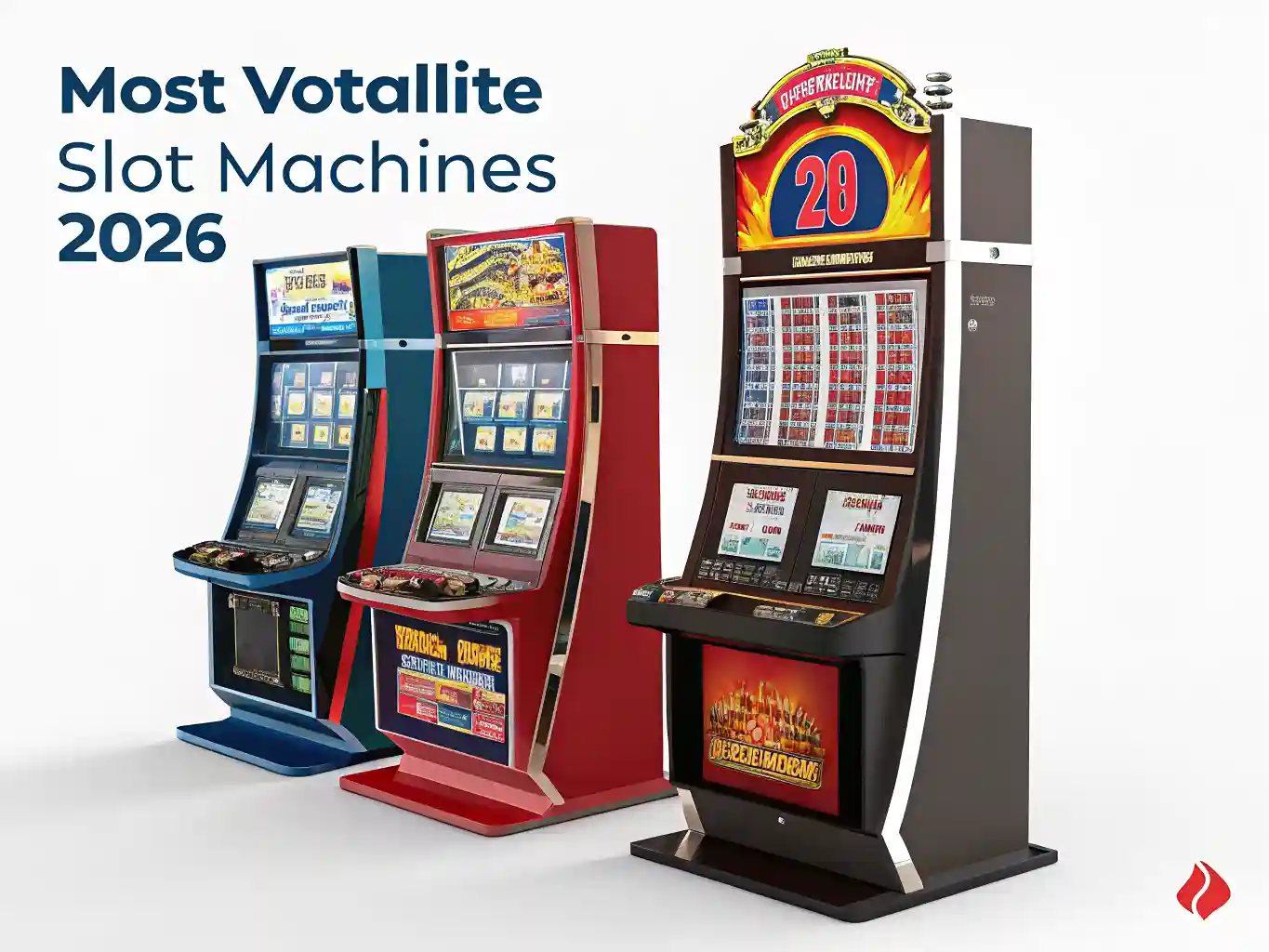
Slot developers are no longer competing only through graphics or themes. The biggest battle in the online casino industry is now centered around engagement time and viral moments. Games that create shocking wins spread quickly across Twitch, YouTube, TikTok, and gambling communities. As a result, studios started building mechanics specifically designed to generate explosive clips and dramatic reactions.
Modern high volatility slots are structured differently from older casino machines. Traditional slots usually balanced medium payouts with stable hit frequency. New-generation slots often reduce regular wins dramatically and shift almost all payout potential into bonus rounds. This creates longer dry periods but increases the size of premium combinations.
Another major change is the growing use of escalating multiplier systems. Some games now allow multipliers to reach 10,000x or even higher during bonus features. That sounds attractive on paper, but it also means the base game often becomes extremely punishing. The slot essentially “stores” most of its RTP inside rare bonus scenarios.
Several design trends define the most dangerous slots of 2026:
• Ultra-rare max win structures reaching 50,000x or higher.
• Bonus buy mechanics that encourage repeated high-risk purchases.
• Infinite or semi-infinite multiplier systems.
• Feature-heavy gameplay with highly inconsistent reward patterns.
• Reduced small-win frequency to support larger jackpot potential.
This evolution changed player behavior significantly. Casual gamblers who previously preferred entertainment-focused slots are now exposed to games with professional-level risk mechanics. The psychological impact is stronger because these slots create massive emotional swings within short periods.
Some developers openly market volatility as a premium feature. The more brutal the game feels, the more attention it receives online. That strategy works especially well among younger audiences looking for adrenaline rather than long gaming sessions.
The most dangerous high volatility slots right now
Certain titles stand above the rest because of how aggressively they handle variance. These are the games most frequently associated with enormous wins, devastating losing streaks, and extreme bankroll instability.
Before looking deeper into their mechanics, it helps to compare their main characteristics side by side.
| Slot | Provider | Max Win | Key Feature | Volatility Level |
|---|---|---|---|---|
| Wanted Dead or a Wild | Hacksaw Gaming | 12,500x | Duel multipliers | Extreme |
| Mental | Nolimit City | 66,666x | Progressive insanity mechanics | Extreme |
| Gates of Olympus Super Scatter | Pragmatic Play | 25,000x+ | Multiplier storms | Very High |
| Beast Band | Push Gaming | 20,000x | Expanding reel system | Extreme |
| Le Bandit | Hacksaw Gaming | 10,000x+ | Persistent bonus collection | Very High |
| Fire in the Hole 3 | Nolimit City | 100,000x | Progressive explosive reels | Extreme |
The numbers alone already show why these slots dominate discussions in 2026. Many titles now advertise payout ceilings that would have seemed unrealistic several years ago.
After the table, the most important detail becomes clear: the real danger is not the maximum win itself, but how difficult it is to reach. A slot offering 50,000x payouts usually compensates by drastically lowering the probability of consistent medium-sized wins.
“Wanted Dead or a Wild” remains one of the most feared slots online because of its duel feature. Multipliers can combine into devastating payout explosions, but most sessions are brutally inconsistent. Players often burn through balances rapidly while chasing one premium bonus round.
“Mental” from Nolimit City pushes volatility even further. The game intentionally creates uncomfortable pacing. Bonuses can look hopeless for long stretches before suddenly producing outrageous multiplier combinations. It became famous precisely because players either experience legendary wins or catastrophic sessions with almost no middle ground.
“Fire in the Hole 3” may currently be the most dangerous mainstream slot available. Its explosive progression system allows the game to scale into absurd payout territory. Many experienced gamblers describe it as one of the least forgiving slots ever released.
How volatility affects real bankroll behavior
The mathematical side of volatility is important, but the psychological side matters even more. High volatility slots change how players react emotionally during gambling sessions. Small wins become rare, which increases tension and anticipation.
Low and medium volatility games usually create a rhythm where players receive frequent feedback. Even modest payouts help maintain balance stability. Extreme volatility games operate differently. They create long periods where almost nothing happens, followed by sudden spikes of excitement.
That structure can distort bankroll perception. A player may lose steadily for an hour but continue chasing because the slot constantly hints that a huge payout could appear at any moment. Modern visual effects amplify this feeling through near-misses, growing multipliers, flashing bonus indicators, and escalating sound design.
Several behavioral patterns appear frequently among players of dangerous volatility slots:
• Increasing bet sizes after extended losing streaks.
• Repeated bonus purchases after near-miss features.
• Chasing “revenge wins” after large balance drops.
• Ignoring session limits because of jackpot potential.
• Mistaking rare big wins for sustainable profitability.
The rise of bonus buy features made this even more intense in 2026. Some players now skip the base game entirely and purchase bonus rounds repeatedly. While this creates faster action, it also dramatically increases risk exposure because bonus buys are often priced at 75x–300x the base bet.
Another major factor is streamer culture. Viewers constantly see edited highlights showing enormous payouts. What remains hidden are the countless losing sessions required to produce those clips. This creates unrealistic expectations among regular players who believe huge wins happen more frequently than they actually do.
Casino operators understand this psychology very well. High volatility games generate strong engagement because players emotionally invest in the possibility of extraordinary outcomes. Even experienced gamblers sometimes underestimate how brutal variance can become during extended sessions.
The mechanics that make certain slots dangerous
Not all high volatility slots behave the same way. Some are dangerous because of giant multipliers. Others become risky because they manipulate progression systems or feature activation frequency.
One of the most aggressive mechanics today is the persistent collector system. Games like “Le Bandit” encourage players to continue spinning because collected symbols slowly build toward enhanced features. The psychological trap is obvious: once progress has accumulated, stopping feels difficult because the player believes the next bonus might justify previous losses.
Another dangerous mechanic is adaptive reel expansion. Titles such as “Beast Band” constantly reshape the grid during gameplay, increasing unpredictability and allowing extreme payout combinations. These systems often create a feeling that the slot is “heating up,” even though outcomes remain random.
Multiplier stacking became the defining trend of 2026. Some slots now combine several independent multiplier layers simultaneously. A player may activate wild multipliers, global multipliers, bonus stage multipliers, and symbol collection multipliers within a single feature.
That creates spectacular payout potential but also extreme imbalance between average sessions and rare jackpot events.
Bonus buys deserve special attention because they transformed online slot culture entirely. Originally introduced as optional shortcuts, they evolved into the main way many people play high volatility games. Certain slots now almost feel incomplete without bonus purchasing.
The danger comes from how rapidly money disappears during repeated purchases. Buying ten bonus rounds in a row can equal hundreds or even thousands of standard spins. If the slot enters a cold cycle, losses escalate incredibly fast.
Some providers became especially notorious for designing “fake hype” mechanics. These include:
• Frequent teaser animations without actual bonus triggers.
• Near-max multipliers that fail to connect with premium symbols.
• Fake bonus setups designed to simulate anticipation.
• High-energy sound effects during low-value wins.
These elements are not accidental. They are carefully engineered to keep players emotionally invested even during losing periods.
Which providers dominate extreme volatility gaming
The battle for the most dangerous slots is heavily connected to certain developers. A few studios built their entire identity around extreme variance and high-risk gameplay.
Nolimit City remains one of the leaders in this category. Their slots are intentionally chaotic, aggressive, and psychologically intense. Games like “Mental,” “Tombstone RIP,” and “Fire in the Hole 3” are designed for players who specifically seek brutal volatility. Their mechanics often feel closer to advanced gambling systems than traditional slot entertainment.
Hacksaw Gaming also became a dominant force. The studio mastered compact, high-intensity gameplay with violent multiplier potential. “Wanted Dead or a Wild,” “Le Bandit,” and several newer 2026 releases are widely considered among the hardest-hitting slots online.
Pragmatic Play approaches volatility differently. Their games tend to look more accessible visually, but titles like “Gates of Olympus Super Scatter” hide extremely aggressive payout models beneath colorful presentation. This contrast makes them particularly popular among casual audiences.
Push Gaming focuses more on evolving reel systems and mathematical tension. Their slots often build pressure slowly before releasing explosive bonus sequences. Players who enjoy long-form volatility frequently gravitate toward this style.
The competition between providers pushed the entire industry toward increasingly risky designs. Every major studio wants the next viral max-win clip. That commercial pressure encourages even higher multipliers and more aggressive RTP distribution.
Interestingly, player demand also shifted. Many experienced gamblers now actively avoid low-volatility games because they feel “boring” compared to modern feature-heavy slots. The market rewards intensity, unpredictability, and emotional extremes.
Are dangerous slots worth playing?
The answer depends entirely on expectations. High volatility slots can deliver experiences that medium-volatility games simply cannot match. Few things in online gambling compare to hitting a massive multiplier chain or triggering a rare max-win feature.
At the same time, these slots require a completely different mindset. They are not suitable for players seeking stable entertainment or long bankroll sessions. Extreme volatility means accepting that long losing streaks are part of the design.
The healthiest approach is understanding that these games function more like high-risk speculative entertainment than consistent casino products. The possibility of extraordinary wins exists precisely because losses occur so frequently.
Experienced players usually follow several practical principles when approaching dangerous slots:
• Use smaller bet sizes than usual.
• Set strict session limits before starting.
• Avoid emotional bonus-buy chasing.
• Understand that RTP does not guarantee short-term balance.
• Treat giant wins as rare events, not expectations.
Many of the most infamous slot disasters online happened because players underestimated variance. A game advertising a 50,000x max win can still produce devastating sessions lasting hundreds of spins without meaningful rewards.
Yet that same unpredictability explains why high volatility slots remain so popular in 2026. They create tension, drama, and unforgettable moments that traditional casino games rarely achieve. For some players, that intensity is exactly the appeal.
The important distinction is knowing whether the experience matches personal gambling habits. Players who enjoy controlled pacing may find extreme volatility exhausting. Others thrive on the adrenaline and unpredictability.
Ultimately, the most dangerous slots are not necessarily the ones with the biggest jackpots. The real danger lies in how effectively they encourage players to keep chasing the next explosive moment.