
Online casino audiences have changed in a way that is easy to feel even before it is measured. Players still enjoy deep slot sessions, bonus rounds, and long-feature games, but a growing share of attention now goes to formats that explain themselves in seconds and settle a result almost immediately. That shift helps explain why instant win games are no longer treated as a side category. In 2026, they sit much closer to the center of the casino lobby because they match the way people actually play on phones: in short bursts, between other activities, with less patience for heavy loading, cluttered interfaces, or long build-ups. Industry coverage in 2026 also points to operators and studios leaning harder into “instant” archetypes, while suppliers such as SPRIBE and Pragmatic Play actively position fast-play content like crash, arcade, and other lightweight formats as a major part of their portfolios.
That popularity is not based on speed alone. Fast games have become a hit because they compress the emotional cycle of gambling into a very clean loop: understand the rules, place a stake, watch a simple action, get a result, decide what to do next. For a large part of the audience, that loop feels fresher than opening a five-reel slot stuffed with modifiers, pop-ups, and layered features. Instant formats give people something many digital products chase but rarely deliver well: clarity. When players feel in control of what is happening on screen, they tend to stay engaged for longer, even if each individual round lasts only a few seconds.
What instant win games really are
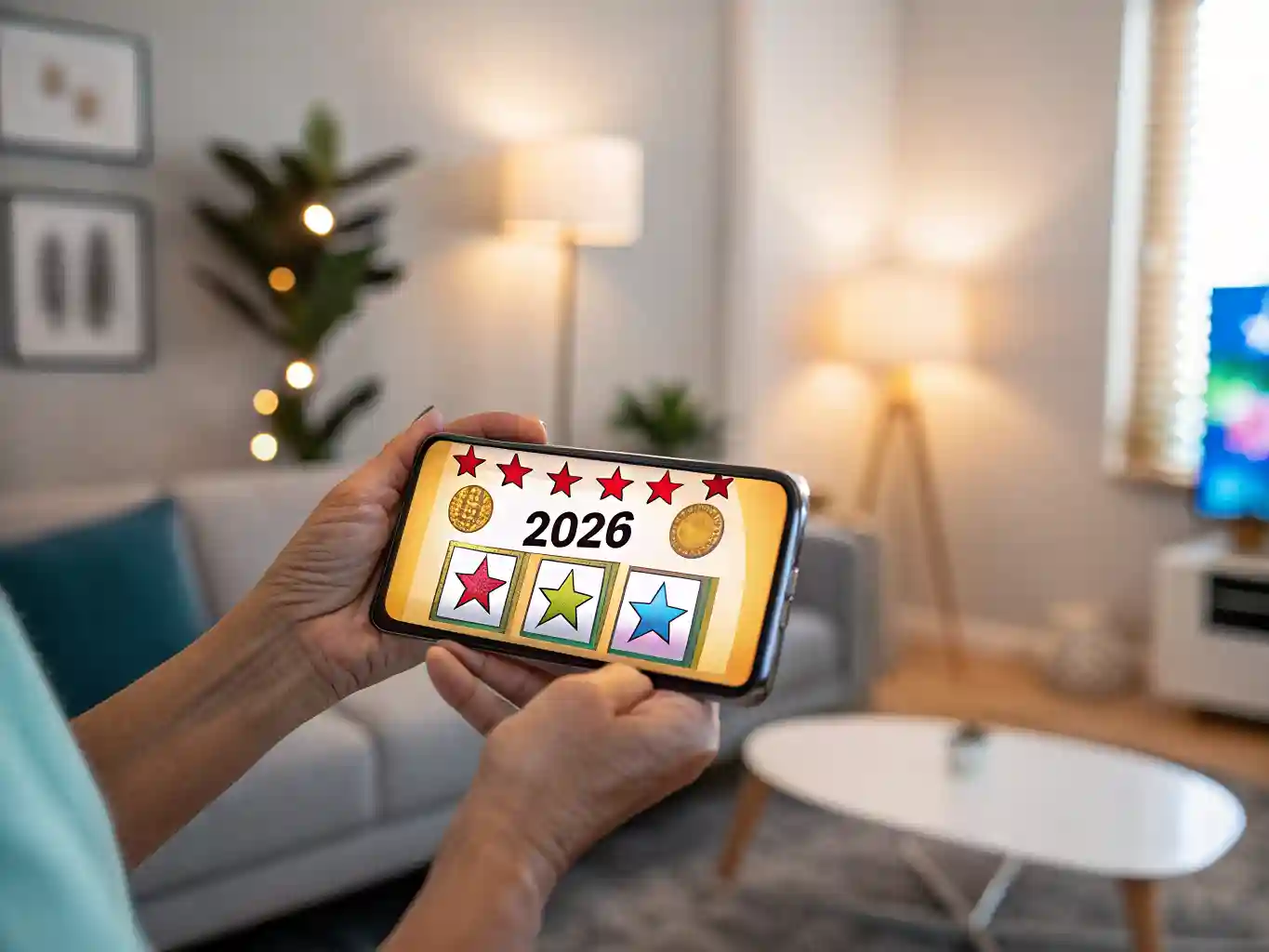
The phrase “instant win game” is often used too broadly, so it helps to separate the core idea from the marketing language around it. In practical terms, these are casino games built around an immediate outcome or a very short decision cycle. They may reveal a result at once, as in scratch-style products, or they may ask for one quick judgment before the round ends, as in crash, mines, plinko, dice, or similar arcade-inspired variants. What connects them is not a single mechanic but a shared design philosophy: less waiting, fewer layers, faster feedback.
That design matters because online casino products no longer compete only against each other. They compete against every other form of mobile entertainment. A user scrolling social media, watching short-form video, checking sports results, and chatting with friends will not always want to commit ten or fifteen minutes to understanding a new slot feature. An instant game removes that friction. It usually has a smaller learning curve, a cleaner visual hierarchy, and a faster path from curiosity to action. This helps explain why these titles appeal not just to experienced gamblers, but also to casual players who might find traditional casino interfaces intimidating.
There is also a psychological difference between instant formats and classic slots. Slots often sell anticipation through buildup: spinning reels, expanding symbols, near-misses, bonus teases, and feature triggers. Instant games tend to sell participation through immediacy. The player feels closer to the decision itself. Even when the outcome is still random, the experience creates a stronger sense of presence. Pressing cash out before a crash, choosing a path in mines, or watching a ball drop through plinko pins can feel more active than simply pressing spin and waiting for the reels to stop.
This category has expanded well beyond old scratchcards. In 2026, the strongest examples come from “smart” game portfolios and fast-play verticals that blend casino math with simple game logic. SPRIBE’s public game lineup includes titles such as Aviator, Mines, Plinko, Dice, Keno 80, HiLo, Balloon, and Mini Roulette, while Pragmatic Play now visibly organizes fast-play content under crash and arcade-style categories rather than treating it as a niche extra.
Why players embraced fast formats in 2026
The biggest reason is mobile behavior. People increasingly play in fragments of time rather than in long, dedicated sessions. That does not mean attention spans have collapsed. It means digital habits have become more modular. A person may open a casino app while commuting, during a lunch break, or while watching a match on another screen. In those moments, instant games feel natural because they ask for very little setup. The player understands the premise almost immediately and can enter or leave without feeling they have interrupted a larger narrative.
Another reason is interface fatigue. Many online casinos spent years trying to make games richer by making them bigger, brighter, and more complex. That approach worked for some audiences, but it also created overload. Fast formats moved in the opposite direction. They borrowed from casual gaming, app design, and even trading-style interfaces where information has to be readable at a glance. The result is a category that feels lighter, sharper, and more modern on mobile devices.
Social visibility also played a part. Some instant games are easier to watch than slots because the action is clearer. Aviator is a good example. The premise is visible in seconds: the multiplier rises, and the player must cash out before the round crashes. SPRIBE describes it as a multiplayer crash game built around a growing curve that can end at any time, which is exactly the kind of mechanic that translates well to streams, clips, and shared play moments.
Fast formats also suit a broader emotional range. Not every player wants the same kind of tension. Some want a quick pulse of risk and resolution. Some prefer low-commitment entertainment between longer sessions. Some like the feeling of making one clean choice and seeing the answer straight away. Instant win titles cover all of those needs better than traditional games that rely on long sequences and layered bonus structures.
There is a commercial reason behind the boom as well. Operators like games that are easier to explain, easier to place in promotions, and easier to recommend inside the lobby. A fast game can become a gateway product. A new user may start with a simple instant format because it feels less intimidating than a dense slot, then later move into other categories. Suppliers clearly understand this logic. Industry reporting in 2026 highlights operators using instant and virtual-style products to stand out, while promotional systems increasingly reward short-session engagement and repeat entry rather than only long play.
The mechanics that make these games so sticky
What makes instant games compelling is not only that they are quick, but that they are built around very readable feedback loops. A strong loop gives the player four things without wasting time: a clear objective, a visible risk, a result that arrives fast, and an immediate chance to decide again. That cycle is powerful because it makes the brain feel rewarded even before a win occurs. The activity itself becomes satisfying.
Crash games are the clearest example. The tension comes from one visible question: how long do you stay in? The multiplier rises, greed and caution fight each other, and the player has to resolve that conflict in real time. It is a simple mechanic, but it produces a wide emotional spectrum. A small early cash-out can feel smart. A late exit can feel thrilling. A miss can feel painful without being confusing. That clarity is rare and valuable.
Mines works differently but achieves something similar. Instead of timing, it relies on path selection. The player reveals tiles while trying to avoid hidden losses. The appeal lies in the feeling of control mixed with uncertainty. Plinko uses visual randomness to create suspense through motion rather than timing or selection. Dice compresses everything into a direct numerical challenge. Keno and scratch-style products reduce the experience even further, turning the attraction into pure speed and simplicity.
The best fast games usually share several traits:
- The rules can be understood almost instantly.
- The screen shows only the information the player needs.
- The round resolves quickly enough to maintain momentum.
- The player feels involved, even when the outcome is still random.
- The game works smoothly on a small phone screen.
These traits matter because convenience alone does not create loyalty. Many digital products are easy to access but easy to forget. Instant casino titles stay popular when they combine convenience with identity. Aviator has a recognizable visual language. Mines feels strategic even in short sessions. Plinko turns randomness into spectacle. That sense of identity helps a game travel through word of mouth, streamer clips, social posts, and recommendation engines.
There is another subtle factor here: fast games make losses and wins easier to interpret. In a complicated slot, a player can finish a feature and still feel unsure what really happened. In a clean instant format, the result is rarely ambiguous. That transparency can make the experience feel fairer, even though the mathematical house edge remains what it is. A game that feels understandable is often judged more positively than a game that feels noisy.
Before looking at specific examples, it helps to compare the strongest subtypes side by side.
The current fast-play landscape is easier to understand when the main formats are broken down by how they feel, not just by how they are classified in a lobby.
| Format | How it plays | Why players like it | Typical session style |
|---|---|---|---|
| Crash | Multiplier rises until the round ends suddenly | Strong tension, visible decision point, social appeal | Repeated short rounds |
| Mines | Players reveal safe tiles and avoid hidden traps | Feels tactical and personal | Short to medium bursts |
| Plinko | Ball drops through pins to a payout slot | Visual suspense and easy entry | Casual repeat play |
| Dice | Simple numerical prediction mechanic | Fast, direct, no clutter | Very short sessions |
| Keno / scratch-style | Instant or near-instant result reveal | Minimal learning curve, pure speed | Quick check-in play |
| Mini roulette / arcade hybrids | Familiar rules compressed into lighter play | Recognizable but less demanding | Flexible mobile play |
That table also shows why the category has become so resilient. It is not one trend built on one game. It is a family of formats that solve the same problem in different ways: how to make gambling feel lighter, clearer, and more compatible with modern screen habits. Once that need became obvious, the market had room for more than a single breakout title.
Examples of games that define the trend
Aviator remains the reference point because it helped turn crash mechanics into a mainstream online casino product. Its core appeal is not hard to understand: the action is immediate, the interface is clean, and the emotional decision arrives almost at once. Players do not need to decode symbols, paylines, or feature ladders. They just watch the multiplier climb and decide when enough is enough. That simplicity is a major reason crash games became visible far beyond crypto-native circles, and SPRIBE openly presents Aviator as a flagship product within its portfolio.
Mines is another strong example because it gives players a stronger sense of agency. The mechanic is simple, but the experience feels personal. Some users stop early and bank a small return. Others push deeper for a larger multiplier. The format works because it creates a story without demanding much time. Every click feels meaningful, and that is often enough to keep players engaged.
Plinko became popular for a different reason. It turns math into movement. People enjoy watching the ball bounce, hesitate, and drift toward a payout slot. The result looks playful even when real money is involved. That matters because modern casino audiences are highly sensitive to presentation. A game that feels entertaining before it feels transactional tends to travel better across devices and audiences.
Dice and Keno continue to hold value because not every trend has to be flashy. Some players want the fastest possible loop and very little visual noise. These games survive because they respect that preference. They are also useful products for operators building a more complete lobby. Not every session starts with a desire for excitement. Sometimes the player wants something lighter, more repetitive, and easier to dip into.
The same idea explains the growth of mini-game portfolios. Industry reporting has highlighted suppliers launching batches of mini games designed around instant entertainment and short-session engagement, which fits perfectly with how casinos now think about retention. These are not replacements for slots or live tables. They are flexible products that sit between casino gaming and casual mobile play.
Pragmatic Play’s public product structure is another signal of where the market is going. The company now showcases crash games and arcade among its main product categories instead of hiding fast-play content behind the traditional slot-led logic of older lobbies. That does not prove one format has taken over the whole industry, but it does show that major suppliers see lightweight, fast-settling content as a permanent part of casino demand in 2026.
Why operators and casinos love the format too
Players are only one side of the story. Fast games became a hit because they solve business problems for operators as well. They are easy to onboard. A user can understand the premise quickly, which reduces the risk of bounce during the first session. They are easy to surface in a lobby because their icons and names often communicate the mechanic better than a slot title ever could. They also fit neatly into cross-sell logic, since a casino can present them as quick breaks between live dealer play, sports betting, or slot sessions.
Promotion design is another advantage. Fast formats work well with tournaments, missions, prize drops, and repeat-entry campaigns because the cycle of play is short and measurable. Public supplier materials in 2026 increasingly emphasize prize mechanics, repeat engagement, and frequent rewards, which aligns perfectly with the behavior these games encourage.
There is also a branding upside. A strong instant game can become part of a casino’s identity. Slots often compete inside a crowded sea of themes that blur together. A clean crash game, a recognizable plinko layout, or a well-designed mines interface can stand out much faster. That helps casinos differentiate themselves even when many suppliers offer overlapping content.
From a product perspective, instant formats are also efficient because they are accessible across devices and internet conditions. Fast-loading, lightweight games reduce friction for users with older phones or weaker connections. That matters more than it used to. A modern casino is rarely serving one ideal user with a flagship handset and perfect bandwidth. It serves a fragmented audience, and products that behave reliably across that range have a real advantage.
The deeper point is that instant games fit the wider logic of digital entertainment in 2026. People want products that respect their time, explain themselves clearly, and create emotion without demanding too much effort. Casinos that understand that are not abandoning slots or live tables. They are building a more balanced ecosystem where fast formats capture the moments when users want immediacy instead of immersion.
What this trend means for the future of online casinos
Instant win games are unlikely to replace classic slots, jackpots, or live casino tables. Those categories remain too important, too profitable, and too culturally rooted in gambling behavior. What is more likely is a lasting rebalancing of the lobby. Fast formats will continue to take a bigger share of attention because they are better aligned with mobile play, short sessions, and socially visible mechanics.
That shift will probably shape game design far beyond the instant category itself. Slots may become cleaner and easier to read. Bonus systems may get shorter. Interfaces may borrow more from arcade logic and casual gaming. Product teams will pay closer attention to how quickly a new user understands the first action on screen. The lesson of instant games is not simply that players want speed. It is that they value clarity, agency, and momentum.
For players, this means more choice between depth and immediacy. For operators, it means the casino lobby can no longer rely only on the old hierarchy where slots dominate and everything else fills the margins. For suppliers, it means innovation is no longer measured only by bigger features or louder presentation. Sometimes the smarter move is to remove friction, sharpen the loop, and trust a simple mechanic to carry the experience.
That is why fast formats became a real hit in 2026. They arrived at the point where player behavior, mobile design, supplier strategy, and casino merchandising all started pointing in the same direction. The result is a category that feels less like a temporary fad and more like a permanent update to how online gambling is packaged and played.