
Big deals in gambling are rarely only about ownership. On paper, they look like balance-sheet events: an acquisition closes, a technology platform changes hands, a brand portfolio gets reshuffled. In practice, the real test begins after the lawyers leave. That is when a casino brand has to prove it can turn scale into something customers actually feel: more trust, a smoother product, stronger rewards, better marketing, and a clearer reason to choose one app over another.
That is exactly why Caesars, Golden Nugget Online Casino, and BetMGM are worth studying together. Each brand sits at the intersection of gaming, hospitality, and digital entertainment, but each has taken a different path after major corporate moves. Caesars used the William Hill deal to deepen its sports betting and online gaming position in the United States, while more recently agreeing to a new takeover by Fertitta Entertainment that could reshape how the broader Caesars name is managed in private hands. Golden Nugget Online Casino moved into the DraftKings orbit after the acquisition of Golden Nugget Online Gaming, giving the brand more technology and distribution while forcing it to protect its own identity inside a larger ecosystem. BetMGM, built as a joint venture between MGM Resorts and Entain, has been sharpening its message with a formal brand repositioning and a tighter focus on profitable growth.
What makes these brands interesting is not simply that they are large. The more useful question is why some casino names become stronger after deals while others become diluted. The answer usually comes down to whether the brand can do three things at once: preserve recognition, improve the customer experience, and make the new corporate structure feel relevant rather than distant. In online casino and sportsbook markets, where players can switch platforms with a few taps, that balance matters more than almost anything else.
Why major deals change casino brands
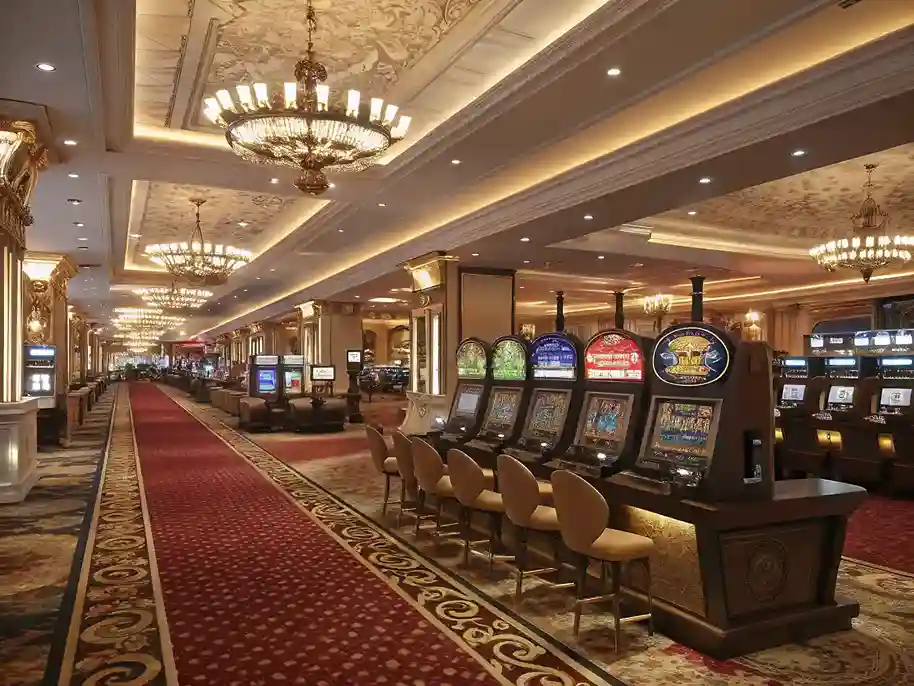
A large gaming deal almost always promises scale, but scale by itself does not create loyalty. The strongest operators use a deal to solve a brand problem. Sometimes that problem is credibility. Sometimes it is product depth. Sometimes it is simple reach: more states, more channels, more customer data, and more ways to move people between a land-based property and a mobile app.
In casino markets, that matters because a brand is doing several jobs at once. It must signal safety and legitimacy in a regulated environment. It must also promise entertainment and aspiration. On top of that, it has to reduce friction. When players choose a casino app, they are not only choosing games. They are choosing a payment flow, a support experience, a rewards program, and a tone of voice. After a big merger or acquisition, all of those pieces are under pressure. If integration is clumsy, customers notice immediately.
The most successful post-deal strategies tend to follow a recognizable pattern.
• They keep the most valuable emotional parts of the old brand intact.
• They use the new owner’s technology, capital, or distribution to improve the product.
• They create a rewards story that feels larger after the deal than before it.
• They avoid confusing customers with too many overlapping names.
That framework helps explain why these three brands have moved the way they have. None of them is trying to win only by being the biggest. Each is trying to convert corporate change into a sharper consumer promise.
Caesars: from William Hill integration to a bigger ownership reset
Caesars has spent the past several years turning acquisitions into a broader digital identity. The William Hill acquisition, completed in 2021 for about $4 billion, gave Caesars direct access to a major betting operation at a time when the U.S. market was still expanding quickly. Caesars then sold William Hill’s non-U.S. assets, narrowing the focus toward the American opportunity rather than trying to manage a sprawling international bookmaker footprint that did not fit its longer-term priorities. That was an important brand decision as much as a financial one: Caesars was effectively choosing depth in the U.S. over a looser global spread.
The next step was just as important. Instead of allowing William Hill to dominate the consumer-facing story forever, Caesars leaned harder into the Caesars Palace name online. That shift matters because Caesars Palace carries a stronger emotional charge than a sportsbook sub-brand for many mainstream customers. It evokes Las Vegas, premium hospitality, and a sense of occasion. In brand terms, it gives the company a more powerful bridge between physical resorts and digital play. The Caesars Palace Online Casino positioning makes that bridge explicit by presenting online casino play as part of the same broad entertainment world associated with the land-based brand.
Now Caesars faces another defining moment. In late May 2026, Caesars announced an agreement to be acquired by Fertitta Entertainment in a transaction valued at about $17.6 billion including debt, while the company also noted a go-shop period that allows alternative proposals for a limited time. That does not mean the customer experience changes overnight, but it does mean the Caesars brand is entering a new phase in which private ownership could prioritize brand renovation, portfolio discipline, and longer-horizon strategic bets without the same public-market pressure.
For Caesars, the opportunity is obvious. The brand is already one of the most recognizable names in global casino culture. The challenge is making that recognition feel contemporary. Customers do not stay because a brand has history. They stay because the app works, the rewards feel meaningful, the game catalog feels alive, and the brand voice feels confident rather than dated. The company’s digital push after the William Hill deal showed it understood that. The Fertitta transaction raises a bigger question: can Caesars now tighten its brand architecture even further and present one stronger, more consistent identity across resorts, sportsbook, and online casino?
That is where Caesars still has room to grow. Its advantage is heritage. Its risk is complexity. Big legacy gaming companies can easily end up with too many layers: corporate names, app brands, legacy assets, regional properties, and promotional messages that pull in different directions. The brands that win the next phase of digital casino competition will be the ones that make scale feel simple. Caesars has the raw material to do that. The post-deal task is turning its famous name into a cleaner, more unified experience.
Golden Nugget Online Casino: preserving a classic name inside a bigger machine
Golden Nugget Online Casino represents a different kind of post-deal challenge. When DraftKings agreed to acquire Golden Nugget Online Gaming in 2021 in an all-stock transaction valued at roughly $1.56 billion, the logic was clear. DraftKings gained access to a recognized iGaming-first brand and its customer base, while Golden Nugget gained the backing of a much larger digital company with stronger technology, marketing muscle, and a wider ecosystem.
This kind of deal can go wrong if the acquired brand disappears into the parent company’s machinery. Golden Nugget has avoided that outcome better than many observers expected. The reason is simple: the name still means something specific. Unlike brands built mostly on advertising spend, Golden Nugget carries an older casino identity rooted in trust, familiarity, and a more classic gambling feel. That matters in online casino markets, especially with customers who are more casino-focused than sports-focused.
The post-acquisition strategy has not been to turn Golden Nugget into a clone of DraftKings. It has been to let Golden Nugget keep a distinct front-end identity while quietly benefiting from DraftKings infrastructure. Official product messaging in recent launches has highlighted that shared loyalty and technology base, while the Golden Nugget brand continues to present itself as a regulated, premium online casino experience rather than as a generic extension of a bigger sportsbook company.
That matters because casino players and sportsbook players do not always respond to the same branding. A sportsbook-first tone can feel too aggressive or too performance-driven for an online casino audience that wants comfort, rhythm, and familiarity. Golden Nugget can occupy a more classic, casino-centered position within the wider DraftKings environment. In effect, the deal gave DraftKings segmentation power. Instead of speaking to everyone the same way, it can use Golden Nugget to speak more directly to players who want an online casino brand that feels dedicated to casino play, not merely attached to it.
There is another reason Golden Nugget remains valuable after the deal: brand trust compounds over time. In regulated online casino states, players often gravitate toward names they already know or names that sound established. Golden Nugget benefits from that instinct. Even when the technology stack behind the scenes becomes more modern, the surface identity still signals continuity. That is one of the smartest outcomes a post-deal brand strategy can achieve. Customers feel improvement, but they do not feel replacement.
The long-term challenge, however, is real. When a brand sits inside a larger ecosystem, it must justify why it exists separately. Golden Nugget can do that only if it keeps a distinct editorial tone, promotion style, and loyalty feel. If it becomes too similar to DraftKings Casino, the differentiation weakens. If it leans too far into nostalgia without product innovation, it risks looking old. The strength of the brand lies in combining an established casino name with contemporary execution. That balance is why the brand still matters after the acquisition.
Before comparing the three operators directly, it helps to put their post-deal brand logic side by side.
| Brand | Major deal or strategic move | Main post-deal brand advantage | Main post-deal risk |
|---|---|---|---|
| Caesars | William Hill acquisition in 2021; later sale of William Hill non-U.S. assets; 2026 agreement to be acquired by Fertitta Entertainment. | Can unite a famous land-based casino identity with a broader digital and sportsbook presence. | Brand complexity if too many legacy identities remain visible. |
| Golden Nugget Online Casino | DraftKings agreement to acquire Golden Nugget Online Gaming in 2021; acquisition completed in 2022. | Keeps a distinct casino-first personality while benefiting from larger technology and loyalty infrastructure. | Could lose differentiation if it becomes too similar to the parent ecosystem. |
| BetMGM | Built as an MGM-Entain joint venture; 2025 corporate brand repositioning; 2026 profitable growth update. | Combines hospitality prestige, cross-channel rewards, and a more refined entertainment-led message. | Must keep the premium promise aligned with product execution and disciplined growth. |
The comparison shows that all three brands are trying to turn corporate change into clarity. They are not following identical playbooks, but they are solving the same problem: how to make a larger structure feel more meaningful to the player rather than merely more complicated.
BetMGM: making the brand feel bigger than a betting app
BetMGM may be the most modern example of post-deal brand strengthening because it has been built from partnership logic from the start. The company is jointly owned by MGM Resorts and Entain, which already gave it a hybrid identity: part hospitality brand, part digital betting operator. In 2025, BetMGM made that strategy more explicit with its first major corporate brand repositioning, built around the “Make it Legendary” campaign. The company described the refresh as a way to highlight a broader entertainment ecosystem centered on elevated experiences and hospitality, not just odds and wagers.
That move is more important than it may look. Many betting brands talk in a narrow transactional language. BetMGM has been trying to speak in a wider emotional register. It wants the brand to feel connected to aspiration, access, and experience. That makes sense when one of its core advantages is association with MGM Resorts and the larger MGM lifestyle world. A purely price-driven sportsbook can always be undercut. A brand that sells a richer experience has more room to build loyalty.
The financial story supports that repositioning. In its April 2026 business update, BetMGM reported net revenue of $696 million in Q1 2026, up 6% year over year, with adjusted EBITDA of $25 million, while maintaining a full-year focus on profitable and sustainable growth. Those numbers matter because they suggest the company is not simply buying attention at any cost. It is trying to prove that brand building and financial discipline can work together.
BetMGM also benefits from timing. In a more mature U.S. market, the strongest brands can no longer rely on novelty. They need differentiation that survives beyond bonus offers. BetMGM’s answer has been to lean harder into premium cues, entertainment value, and cross-channel recognition. That is not just marketing language. It is an attempt to move the customer conversation away from temporary promotions and toward the broader feeling of being treated well.
At the parent-company level, MGM Resorts has also been investing in technology that strengthens its digital positioning beyond the joint venture. In 2024, MGM said its LeoVegas subsidiary would acquire Tipico’s U.S. sportsbook and online casino platform, describing the move as part of building a proprietary sportsbook capability for international markets and brands outside the BetMGM joint venture. That does not change BetMGM’s ownership structure, but it shows the wider MGM ecosystem is still investing in the product and technology side of digital gaming rather than relying on branding alone.
The key to BetMGM’s brand strength is that it has avoided sounding generic. The name is simple, but the strategy behind it is layered. It captures MGM prestige, borrows operational expertise from Entain, and increasingly communicates as an entertainment platform rather than as a basic wagering utility. If Caesars represents heritage and Golden Nugget represents preservation within a larger system, BetMGM represents refinement: taking a broad partnership model and making it feel sharper, more premium, and more intentional.
What these brands teach the wider casino market
Taken together, Caesars, Golden Nugget Online Casino, and BetMGM reveal what modern casino branding looks like after major corporate change. The lesson is not that every deal creates value. Plenty do not. The lesson is that value appears when ownership change leads to brand simplification, better product execution, and a more believable promise to the customer.
Caesars shows the power of heritage when it is directed carefully. The company can still turn its iconic name into a strong digital asset because the brand evokes something larger than gambling alone. It evokes place, spectacle, and memory. The task is making those associations work in a mobile-first world.
Golden Nugget shows the power of selective preservation. Not every acquired brand should be folded into the parent identity. Sometimes the better strategy is to keep a name alive because it attracts a different type of customer with a different emotional expectation. Golden Nugget works best when it feels like a true casino brand supported by modern infrastructure, not like a redundant copy of another app.
BetMGM shows the importance of framing. In crowded regulated markets, the brands that endure are often the ones that move beyond pure transactions and give customers a reason to identify with them. BetMGM’s brand work suggests that hospitality, entertainment, and premium treatment still matter deeply in digital gaming, especially when the company can back those themes with product performance and growing profitability.
The broader casino market should pay attention to one more point. Post-deal branding is not a cosmetic exercise. It is operational. A rewards program, app interface, game mix, and promotional cadence all influence whether a player believes the new version of the brand is better than the old one. In other words, rebranding without product improvement rarely works. The companies discussed here have been most successful where the brand story and the operating story meet.
Closing thought
The best online casino brands do not become stronger after major deals simply because they get bigger. They become stronger when the deal helps them feel clearer. Caesars is trying to turn scale and history into a more coherent digital identity. Golden Nugget Online Casino is proving that an acquired brand can keep its soul while benefiting from larger technology and loyalty systems. BetMGM is showing how a joint-venture brand can mature into a more polished entertainment identity with stronger financial discipline.
That is why these brands remain important beyond the headlines of the deals themselves. Their real competition is not only with one another. It is with fragmentation, confusion, and sameness. The winners in online casino branding will be the companies that use corporate change to sharpen the user experience, protect what customers already trust, and make the brand feel more useful than it did before the transaction. On that measure, Caesars, Golden Nugget, and BetMGM offer three of the most revealing case studies in the market right now.